
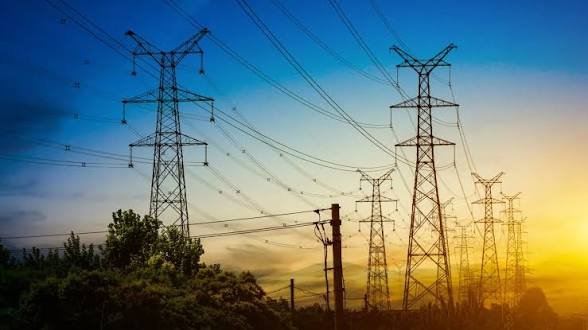
ISLAMABAD: Despite the country having surplus power generation capacity, prolonged electricity load-shedding is continuing across Pakistan, particularly during nighttime hours, amid rising fuel prices caused by ongoing tensions in the Middle East.
In the Islamabad region, the Islamabad Electric Supply Company (IESCO) is facing a shortfall of around 300 megawatts, resulting in load management across its service areas.
According to an IESCO statement, the company is carrying out load management because the required electricity quota is not currently available from the national grid. The load management will be discontinued as soon as the required power quota becomes available, it said, while apologising to consumers for the inconvenience.
Sources in the Power Division said nighttime load-shedding was continuing in the service areas of all distribution companies (DISCOs) due to a shortage of electricity.
They said the government was reducing power generation from expensive fuel-based plants, particularly those running on furnace oil and gas, in an effort to contain the rise in the fuel price and avoid further pressure on electricity tariffs.
According to the sources, generation from expensive furnace-oil- and gas-based power plants has been kept at its lowest level, while solar generation during daytime hours is helping meet electricity demand and preventing significant load-shedding.
However, during nighttime hours, when solar generation falls to zero, the electricity shortfall becomes more pronounced, forcing distribution companies to implement load management.
The sources said electricity demand during peak hours currently stood at around 21,000 to 22,000 megawatts. During these hours, urban areas were experiencing around four to six hours of load-shedding, while rural areas were facing up to eight hours of outages.
The situation has emerged as rising international fuel prices and higher generation costs are putting additional pressure on the power sector, prompting authorities to limit generation from costly power plants and manage available electricity according to demand.







Comments (0)
Leave a Comment