
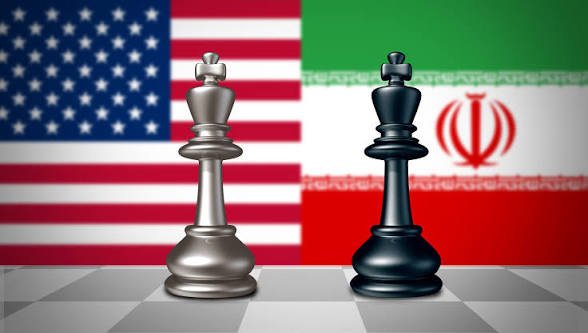
ISLAMABAD: Iran’s traditionally measured diplomacy has adopted a more assertive and aggressive posture following what Iranian officials view as successful strikes against US military bases in the Middle East, diplomatic sources said.
According to the sources, the perceived failure of the United States to achieve its military objectives has transformed its aggressive diplomatic approach into a more conventional form of diplomacy. They said Iran’s ability to successfully target US bases in the region had also affected Washington’s diplomatic calculations.
Iran now believes that the United States has relatively few effective options left to exert pressure on Tehran, the sources said, adding that stocks of US THAAD, Patriot and other air defence equipment had been considerably depleted.
“In the current situation, the Iranians understand that they are in an influential position and effectively in the driving seat,” the diplomatic sources said.
Iran presents six-point demands for reopening Strait of Hormuz
The sources said Iran has presented a six-point list of demands for reopening the Strait of Hormuz.
They said US President Donald Trump’s decision not to conclude an agreement based on the June 17 memorandum of understanding had been a major political mistake.
According to the sources, Iran’s current demands have increased significantly compared with the terms discussed in the June 17 understanding.
The primary objective of the June 17 memorandum had been to reopen the Strait of Hormuz. In return, the United States had agreed to lift restrictions specifically on Iranian oil exports, enabling Tehran to sell its oil in international markets.
The June 17 understanding also included a ceasefire covering Lebanon, while several other important issues were deferred for negotiations at a later stage, the sources said.
At that time, Iran had not raised the issues of comprehensive economic sanctions, compensation or damages, and frozen Iranian assets. Instead, negotiations on these major economic issues were to be held during a 60-day period, according to the sources.
The Iranian nuclear programme was also deferred under the June 17 understanding, they said.
Tehran now wants economic issues resolved first
Under the current circumstances, however, Iran wants the three major economic issues to be resolved first and according to its own terms, the diplomatic sources said.
Before agreeing to reopen the Strait of Hormuz, Tehran now wants the issue of compensation or damages, the lifting of comprehensive sanctions, and the release of frozen Iranian assets to be settled.
The sources said there was virtually no mention in the current Iranian demands of Iran’s nuclear programme or its enriched uranium.
“This means that the United States would have to offer multiple concessions on major Iranian economic demands before the Strait could be reopened,” the sources said.
They added that, unlike the earlier approach, there would be no requirement for the nuclear issue to be resolved at the outset.
Nuclear issue moves off the immediate negotiating agenda
Before and on February 28, US attention had primarily been focused on negotiations over Iran’s nuclear programme, according to the diplomatic sources.
However, in the present circumstances, the Iranian nuclear programme and enriched uranium issue have effectively disappeared from the immediate negotiating agenda, they said.
The sources noted that before February 28, several economic issues that could have benefited Iran were not part of the negotiating table. The current situation, they said, has significantly altered Tehran’s negotiating position.
Mohsen Rezaei appointment seen as significant
The sources also attached significance to the sudden change in the position of secretary of Iran’s Supreme National Security Council.
They said the replacement of Baqer Zolqadr by Islamic Revolutionary Guard Corps commander Mohsen Rezaei could signal a more assertive Iranian diplomatic and decision-making approach in the future.
According to the diplomatic sources, Rezaei is expected to seek to maintain military pressure on the United States during negotiations, potentially strengthening Tehran’s leverage at the diplomatic table.


Comments (0)
Leave a Comment