
Our correspondent
ISLAMABAD— Despite a significant drop in international crude oil prices following a ceasefire agreement between the United States and Iran, the Pakistani government has decided to maintain local petroleum prices, denying inflation-weary citizens the benefits of the global market crash.
According to an official notification issued by the government, the price of **petrol remains unchanged at Rs 299.50 per litre**, while the price of **high-speed diesel (HSD) has been maintained at Rs 311.47 per litre**.
Global Markets Ease After Geopolitical Relief
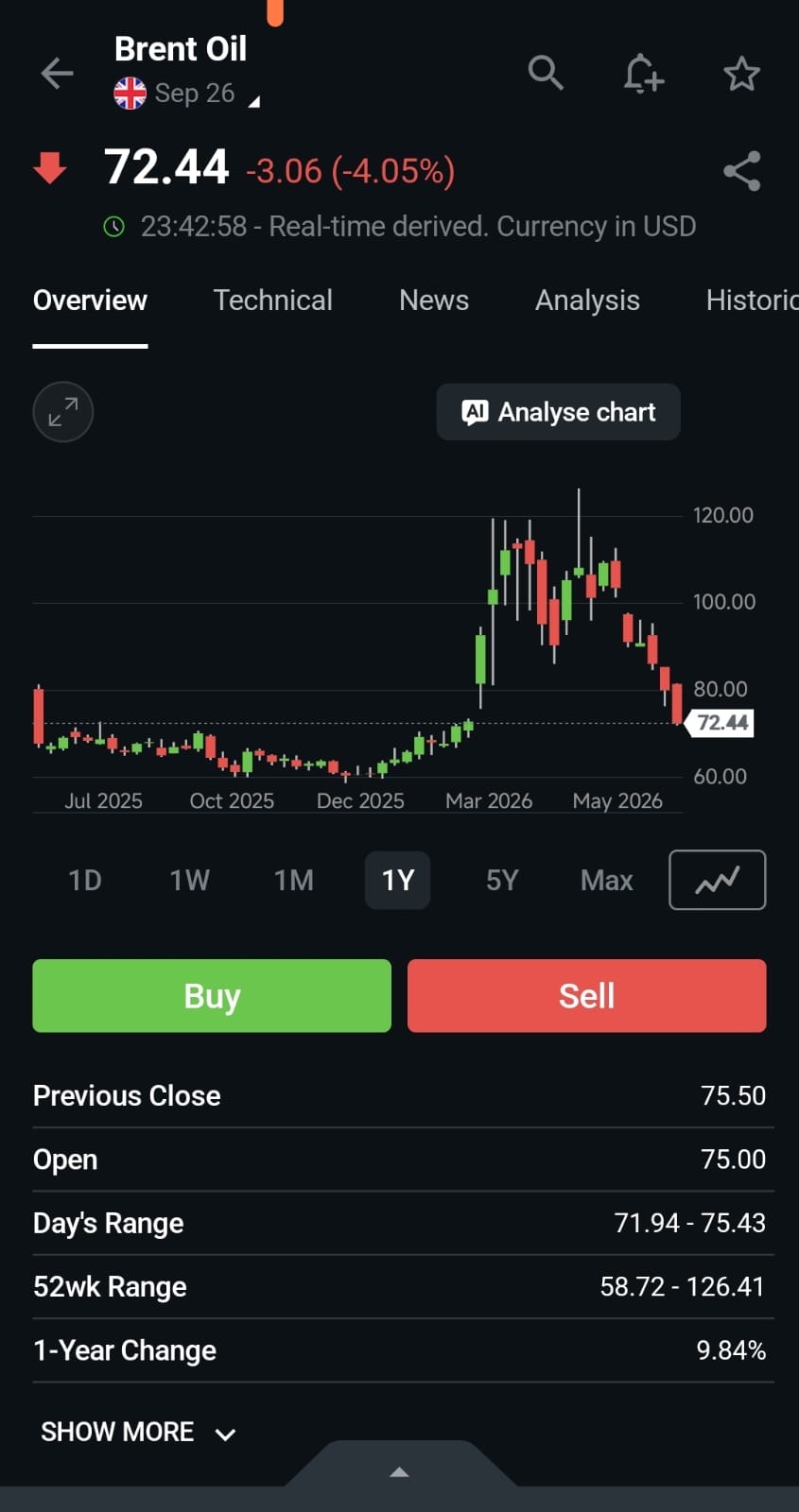
The global oil market has shifted into a bearish zone, with **Brent crude plunging to a stable range of $72 to $73 per barrel**. This comes as a massive relief to the international economy, which previously saw oil prices skyrocket well past **$110 per barrel** due to heightened geopolitical tensions.
It was during that initial global surge that the government of Pakistan aggressively hiked domestic fuel prices, citing the rising cost of imports. However, despite the current sharp reversal in worldwide commodity rates, authorities have chosen not to pass the financial relief down to the public.
### Public Backlash Over Sticky Prices
The decision to maintain the status quo has sparked widespread frustration across the country. Public transport unions, traders, and everyday consumers argue that while domestic prices are lightning-fast to react to global hikes, they remain completely stagnant when global prices crash.
"When global oil was at $110, they raised prices instantly. Now that it is down to $72, the relief is nowhere to be seen. The public is bearing the brunt of stabilization while receiving none of the rewards," remarked a local economic analyst.
Economic Context
The government’s decision to lock in the current prices is widely seen by experts as a strategic move to maximize revenue collection through petroleum levies and to offset ongoing fiscal deficits. While this might bolster national revenue targets, it leaves the public grappling with high transportation and production costs, keeping overall inflation sticky.
With global trends continuing to show a downward trajectory, all eyes are now on the next fortnightly review to see if the government will finally pass the benefit of cheaper oil to the masses.


Comments (0)
Leave a Comment