
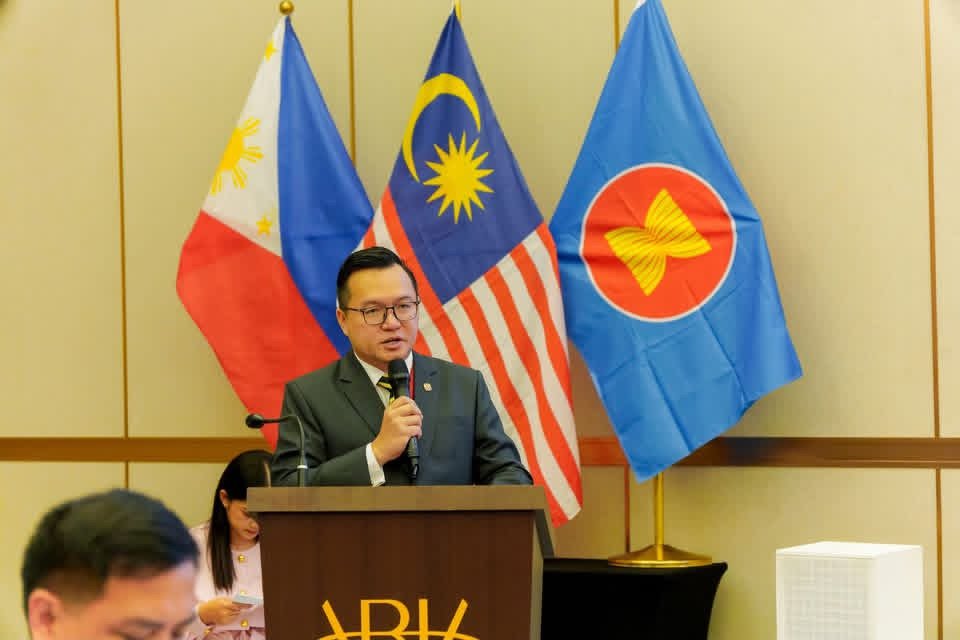
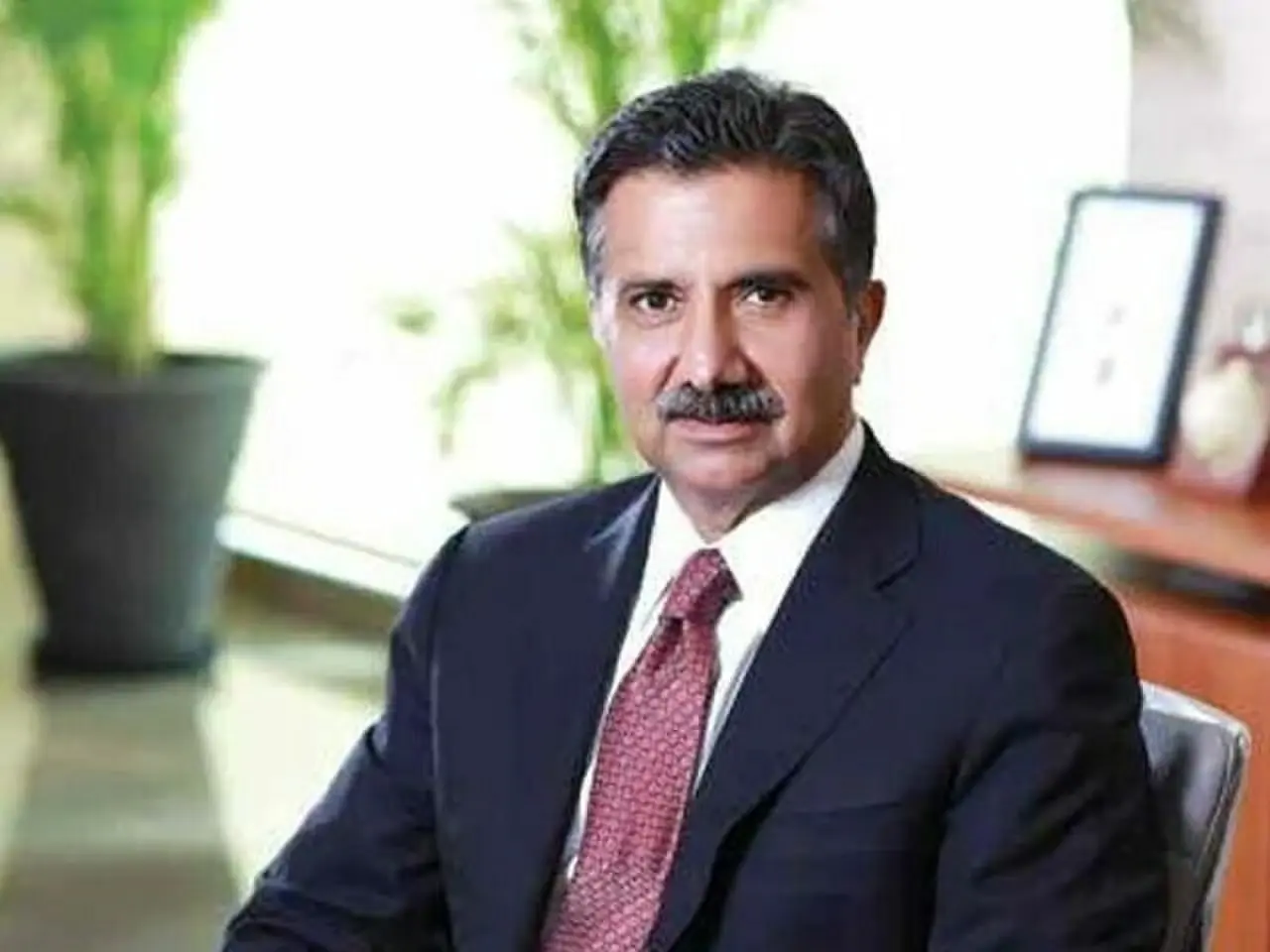
Philippines: Consul General of Malaysia in Davao City, Philippines, Didi Faisal Ahmad Saleh has said that the future of ASEAN is related to strong regional institutions, mutual cooperation and shared responsibility of the people, while the young generation will play a key role in shaping the future of the region.
Speaking at the Aria Hotel, Davao City, the Malaysian Consul General highlighted a two-pronged strategy for the future of ASEAN, emphasizing strengthening regional institutions and instilling a sense of shared responsibility among the people, especially the younger generation.
Referring to the theme of Malaysia's 2025 ASEAN chairmanship of "Inclusiveness and Sustainability", he said the strategy aimed to go beyond dealing with immediate crises to establish a strong and sustainable foundation for achieving the ASEAN Community's vision by 2045.
The Consul General outlined four key priorities for regional integration and modernization, saying that ASEAN has eliminated customs duties on 98.86 percent of tariff lines under the ASEAN Trade in Goods Agreement. However, the upgraded protocol to the agreement, signed in October 2025, focuses on removing trade barriers, digitizing the customs system and making small and medium-sized enterprises part of the regional trade system.
He said that by 2030, ASEAN's digital economy is expected to reach 2 trillion US dollars. Along with this development, it is also important to ensure the responsible use of artificial intelligence and advanced technology. To this end, initiatives such as the ASEAN AI Safety Network are important so that the benefits of technology reach all segments and do not increase social inequality.
Dadi Faisal Ahmed Saleh said that East Timor's formal accession as the 11th member country of ASEAN on October 26, 2025 is an important milestone in the history of the regional organization. This development reflects the commitment to regional integration, inclusion and reducing development gaps among member countries.
While discussing ASEAN's strategic sovereignty and diplomatic role, he called the ASEAN, Gulf Cooperation Council and China summit in May 2025, diplomatic efforts for a ceasefire between Cambodia and Thailand in July 2025 and continued diplomatic contacts on the situation in Myanmar as important developments.
He said that these measures are an expression of determination to maintain the central role of ASEAN in regional stability, promotion of dialogue and global and regional affairs.
The Malaysian Consul General said that regional declarations, agreements and protocols are only paper documents until they are converted into practical measures. The true success of ASEAN integration is only possible when trade and investment create jobs and economic opportunities, digital systems are interconnected and the fruits of regional cooperation are visible in the everyday lives of ordinary citizens.
Emphasizing the role of the young generation, he urged students, researchers and innovators to play their part in shaping ASEAN's long-term future.
He said that the leaders of 2025 have set the institutional foundations and development paths for the vision of 2045, but the leadership and professional responsibilities of that time have been assumed by the younger generation of today.
According to him, the future of ASEAN depends not only on the commitments and actions of the current leadership but also on the vision, capabilities and collective commitment of the generation that will lead the region in the years to come.





Comments (0)
Leave a Comment